Plympton, MA
Plympton Pediatric Dentistry With the Same Team Every Visit
From a baby's first tooth to a teen's last molar, we handle exams and cleanings, sealants, fluoride treatment, fillings, pediatric crowns and sedation dentistry when it is needed. Parents bring their kids from Plympton, Kingston and Halifax. Your child sees the same team every time, so the room, the voices and the routine stay familiar.
- Same team every visit
- Kid-friendly explanations
- Most insurance plans accepted
- CareCredit payment plans
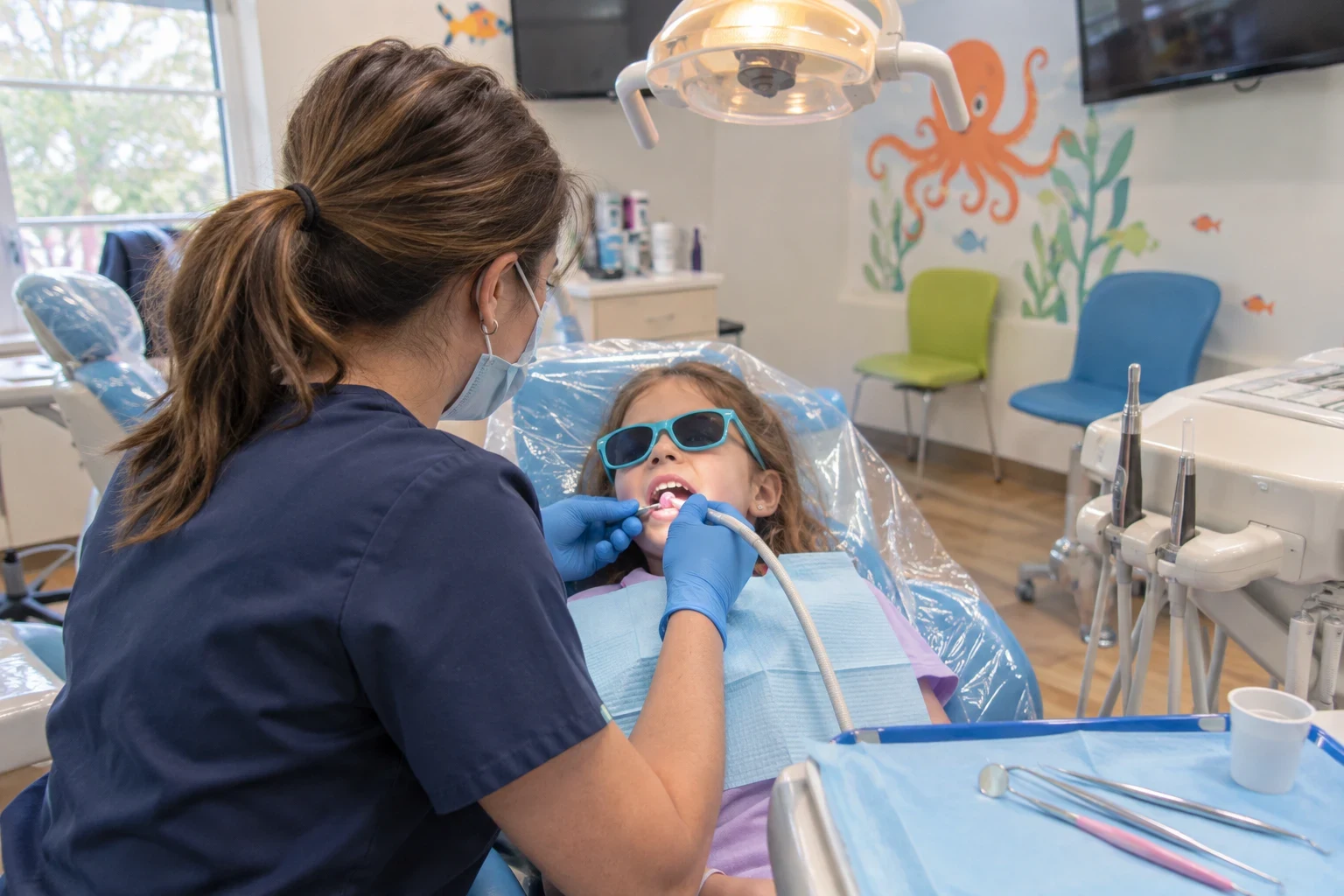
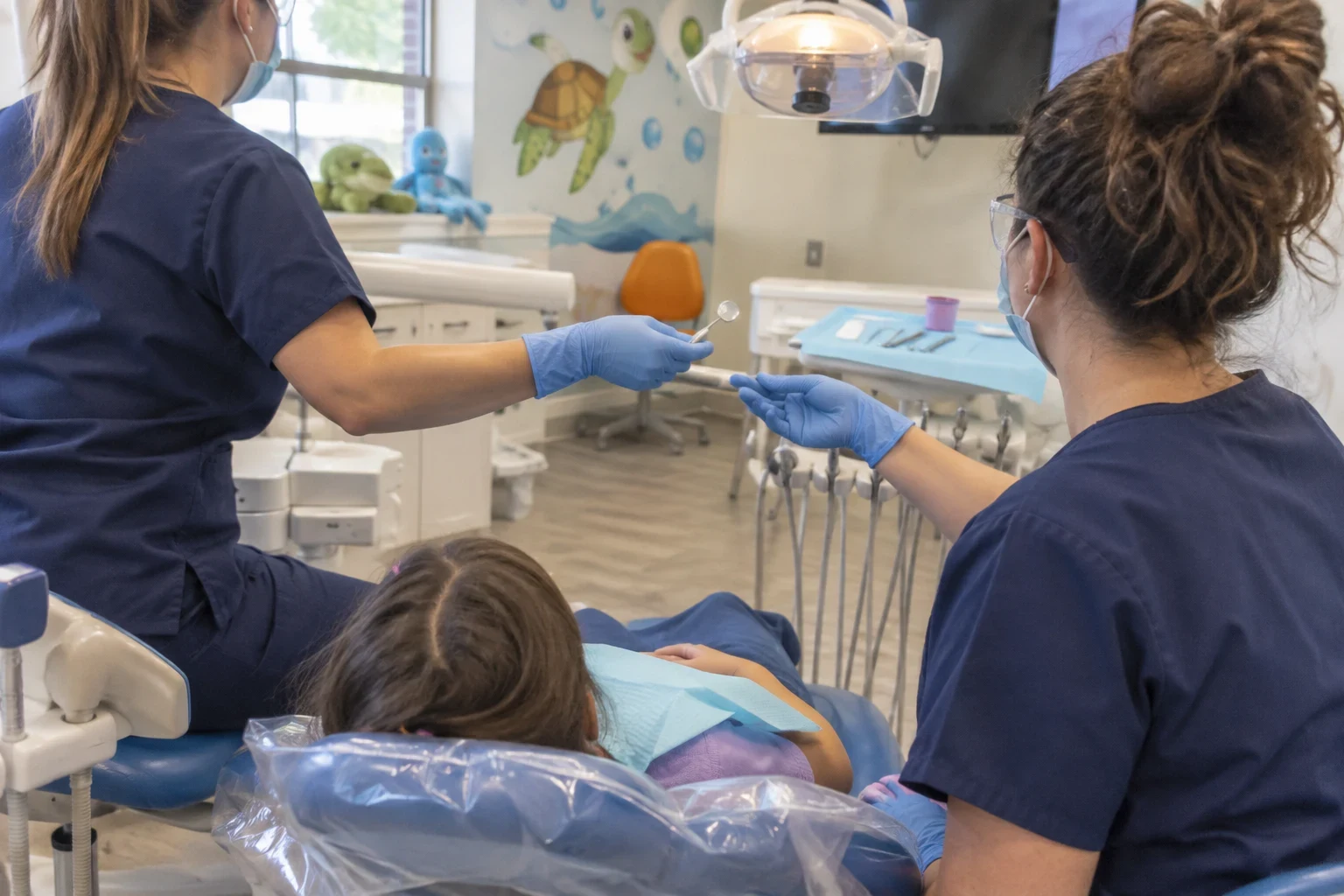
About Our Practice
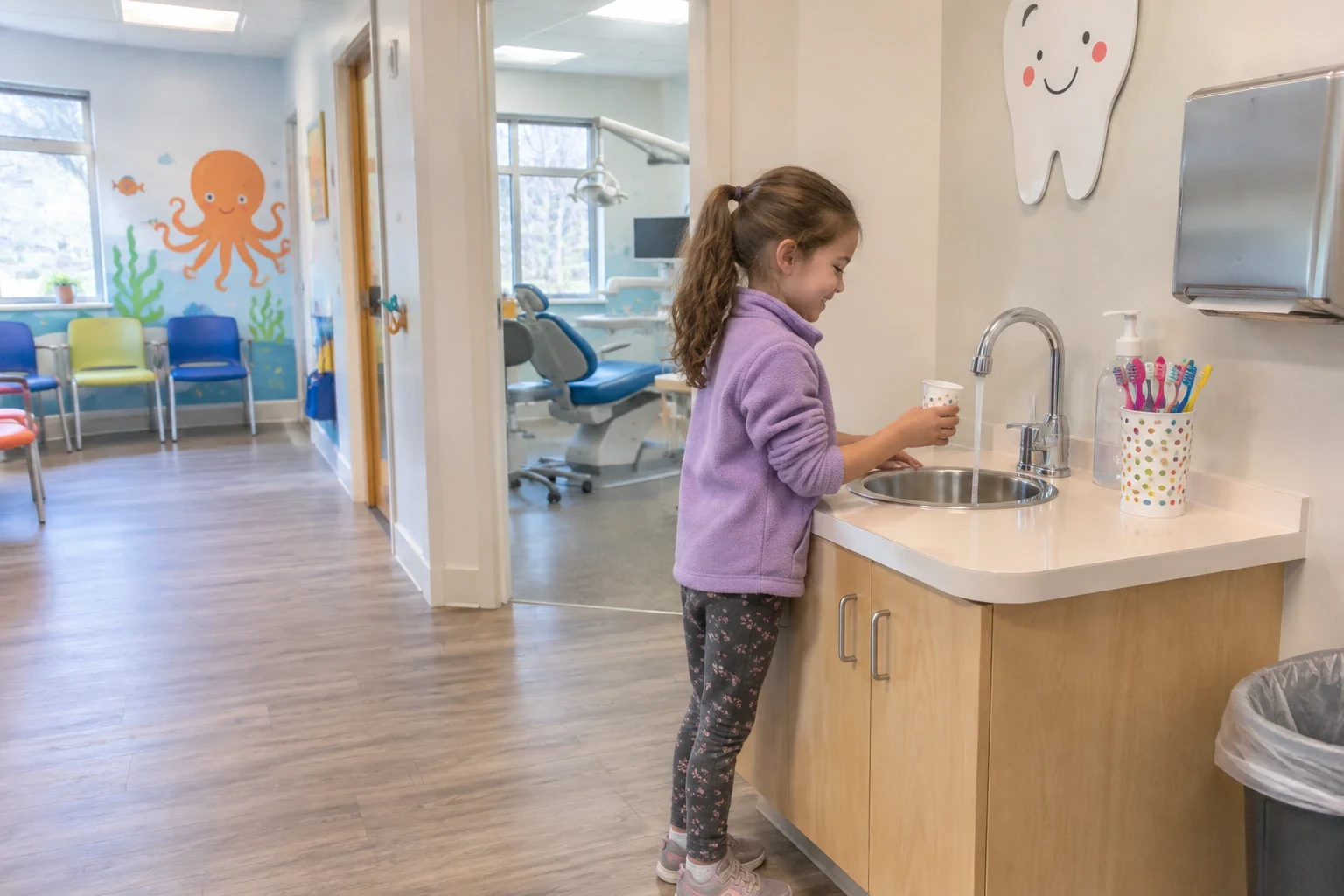
Pediatric Dentist Plympton is a dental practice just for kids. We see children from their first tooth through the teen years, and our office is set up for them, from chair size to the way we talk through each step.
We stay small so we can know our patients. A parent who calls with a question usually reaches someone who has met their child. That continuity matters most when a child is anxious, has special health needs or needs several visits to finish treatment.
- In business
- 11+ years in practice
- Certifications
- Board-certified pediatric dentists
Dental Care Built for Growing Teeth
Our board-certified pediatric dentists have 11+ years in practice treating children, and everything we do is sized for young mouths and changing teeth. Prevention comes first: exams and cleanings, sealants over the deep grooves of molars, and fluoride treatment to harden enamel. When decay or injury gets past that, we handle fillings, pediatric crowns, root canals on baby and young permanent teeth, extractions, space maintainers and frenectomies for tongue-tie or lip-tie. For kids who can't sit through treatment comfortably, we offer sedation dentistry.
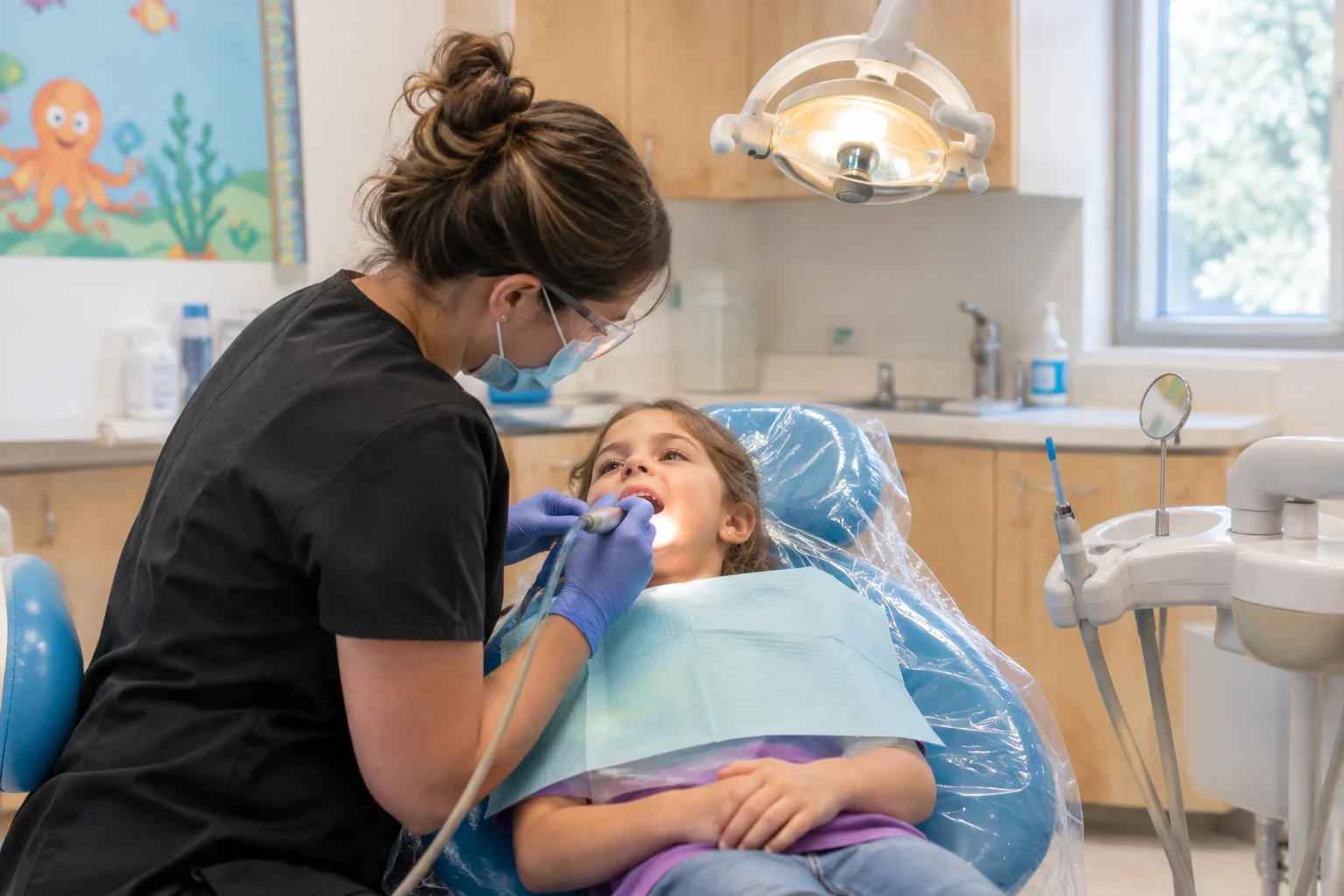
Exams & Cleanings
Regular checkups that remove plaque and tartar, catch soft enamel early and track how your child's teeth and bite are developing.
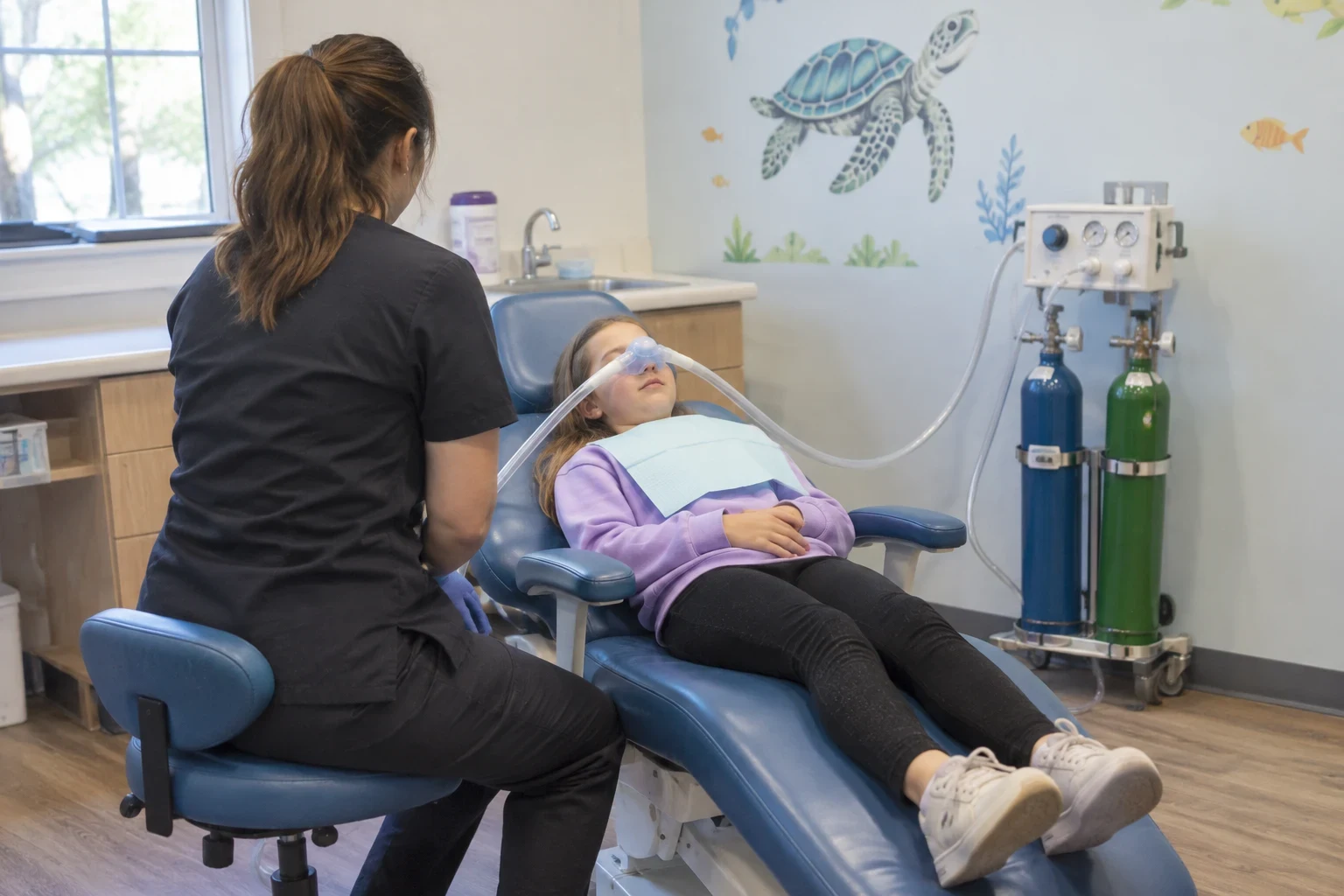
Sedation Dentistry
Nitrous oxide and oral sedation options that help anxious or very young kids get the treatment they need while staying calm and closely monitored.
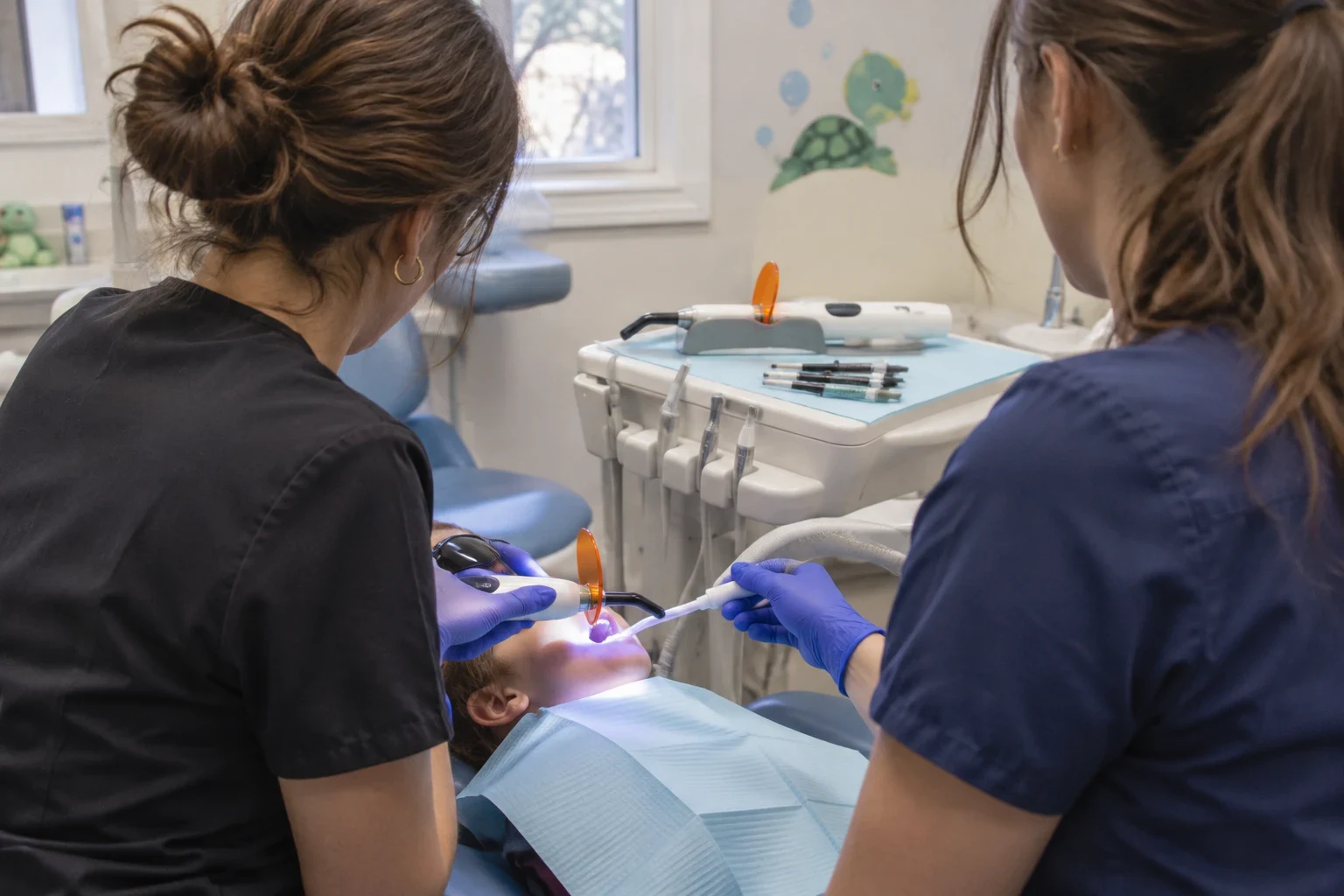
Fillings
Tooth-colored fillings that stop a cavity before it reaches the nerve, placed by the same small team your child met at the exam.
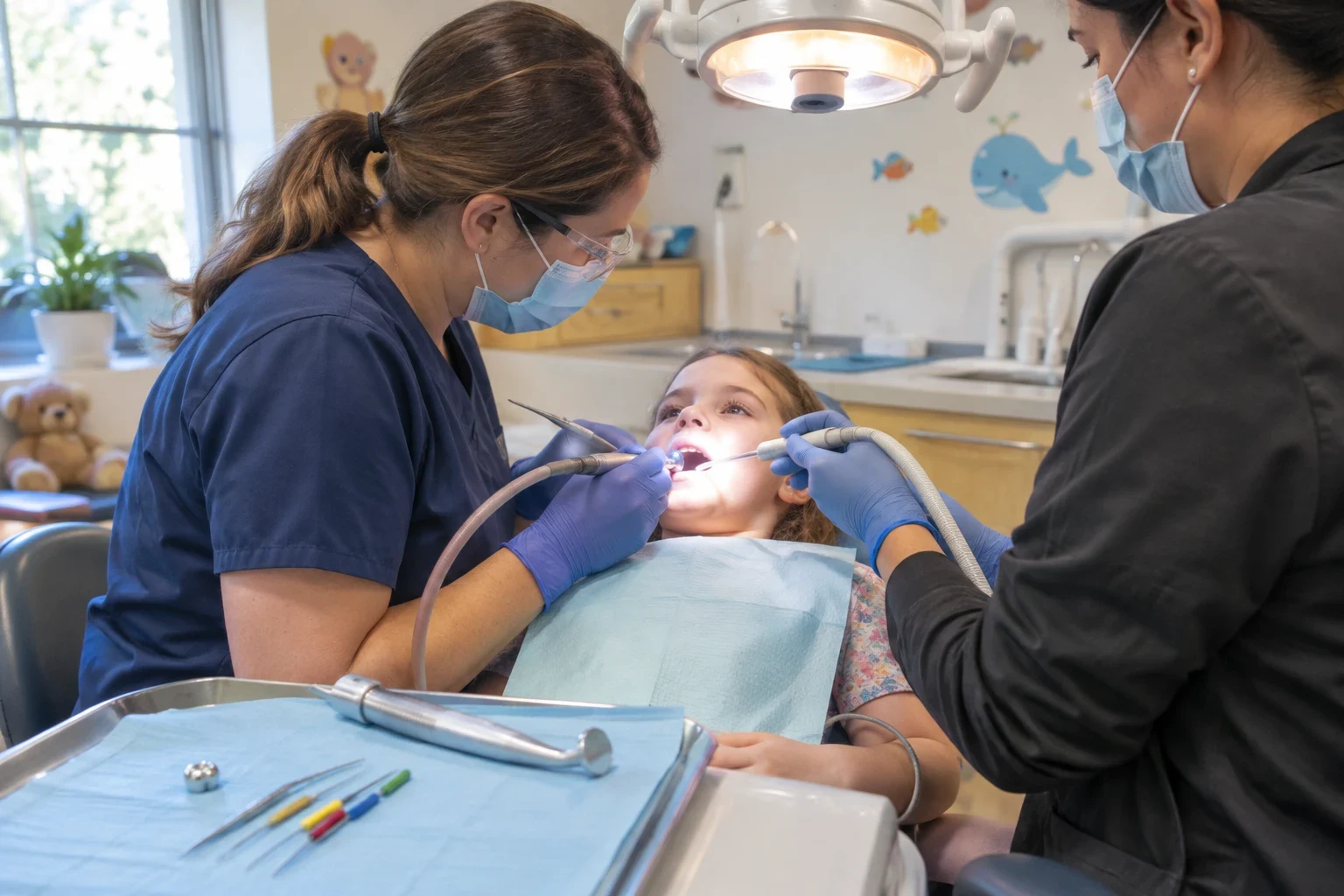
Root Canals
Pulpotomy, pulpectomy and teen root canal treatment that removes infected nerve tissue and keeps your child's tooth in place to chew and hold space.
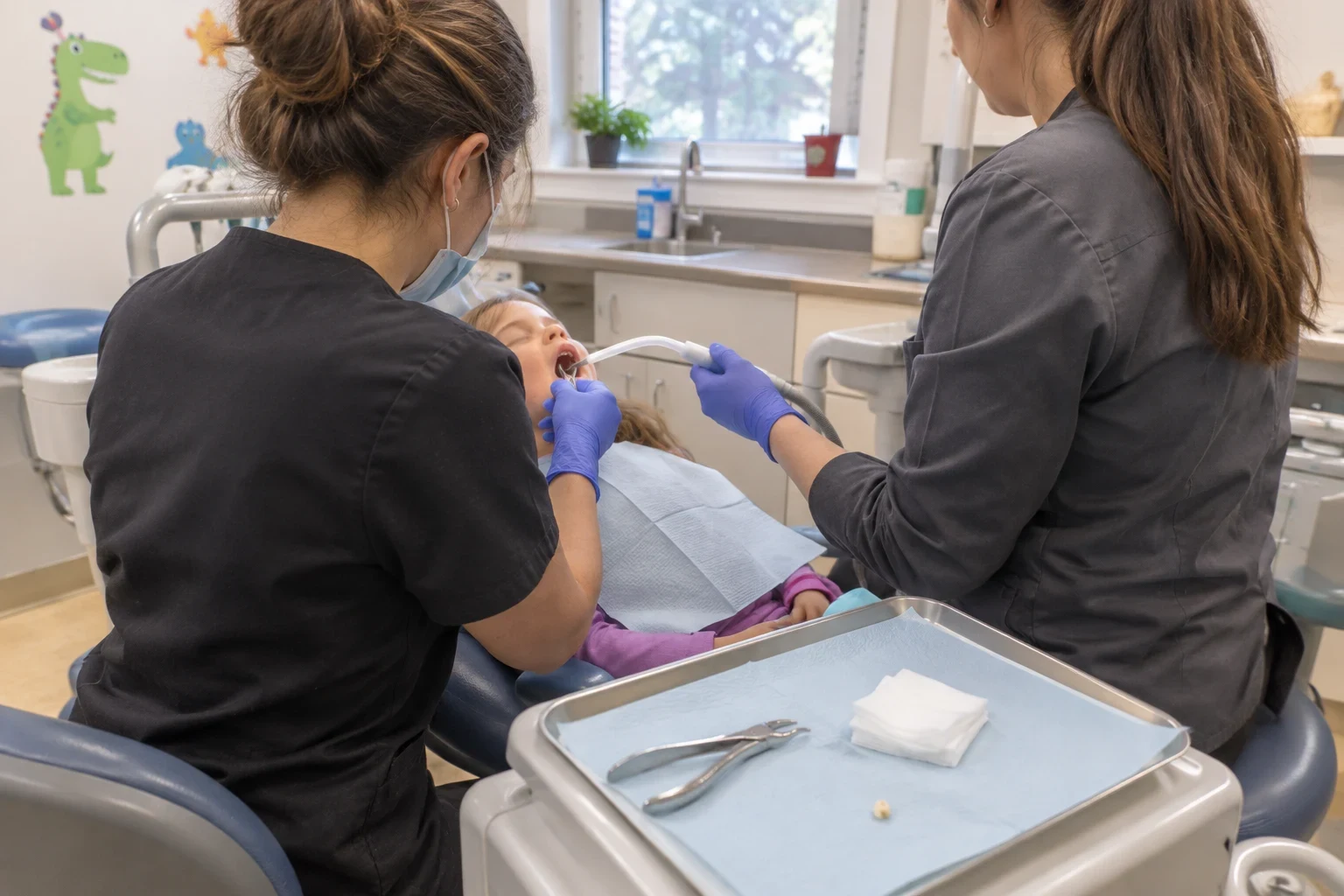
Extractions
When a baby tooth won't loosen, is badly infected or is blocking an adult tooth, we remove it gently and plan for the space it leaves.
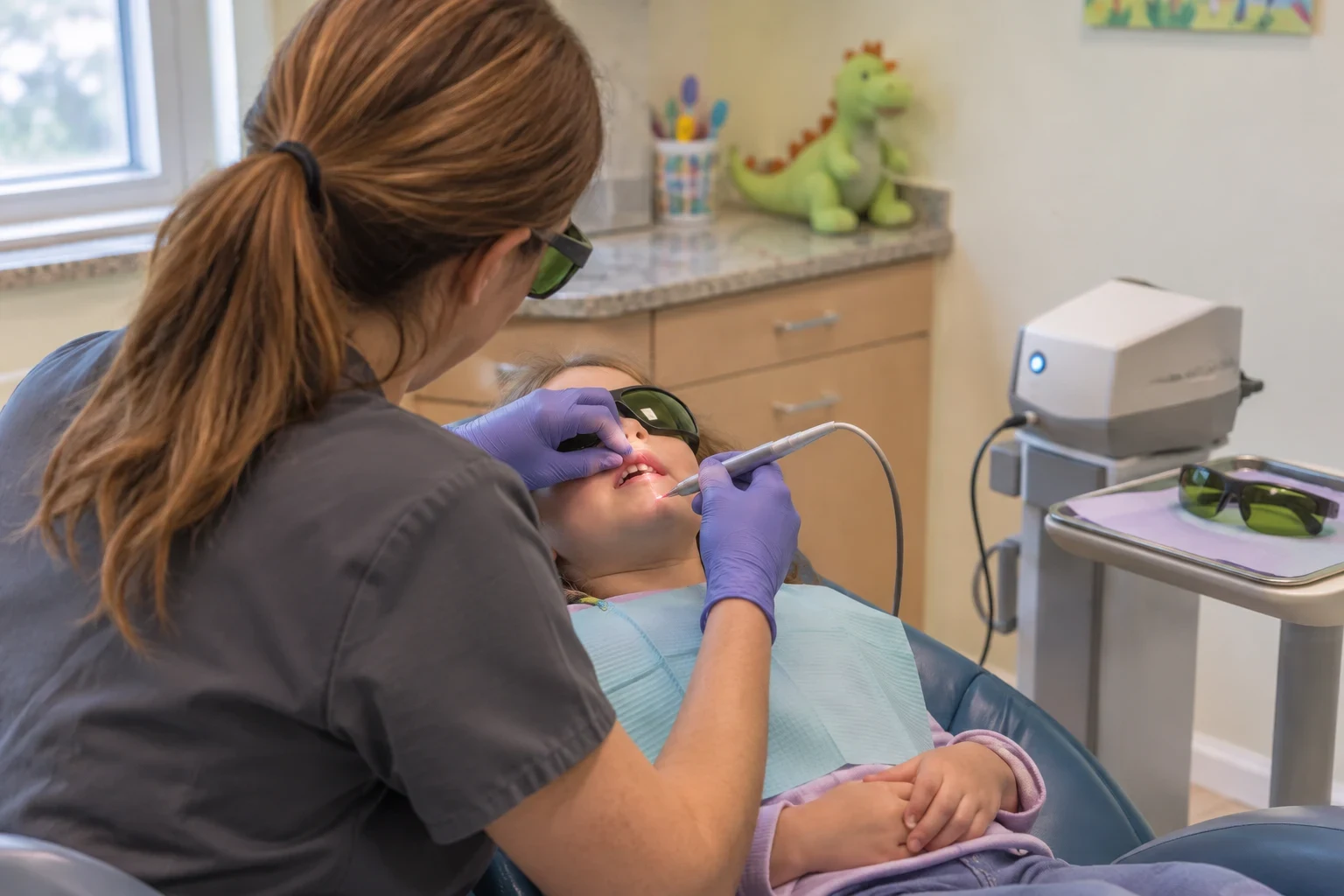
Frenectomies
Release of a tight tongue or lip frenum when it is limiting feeding, speech or oral hygiene, with a clear exam first and a planned follow-up after.
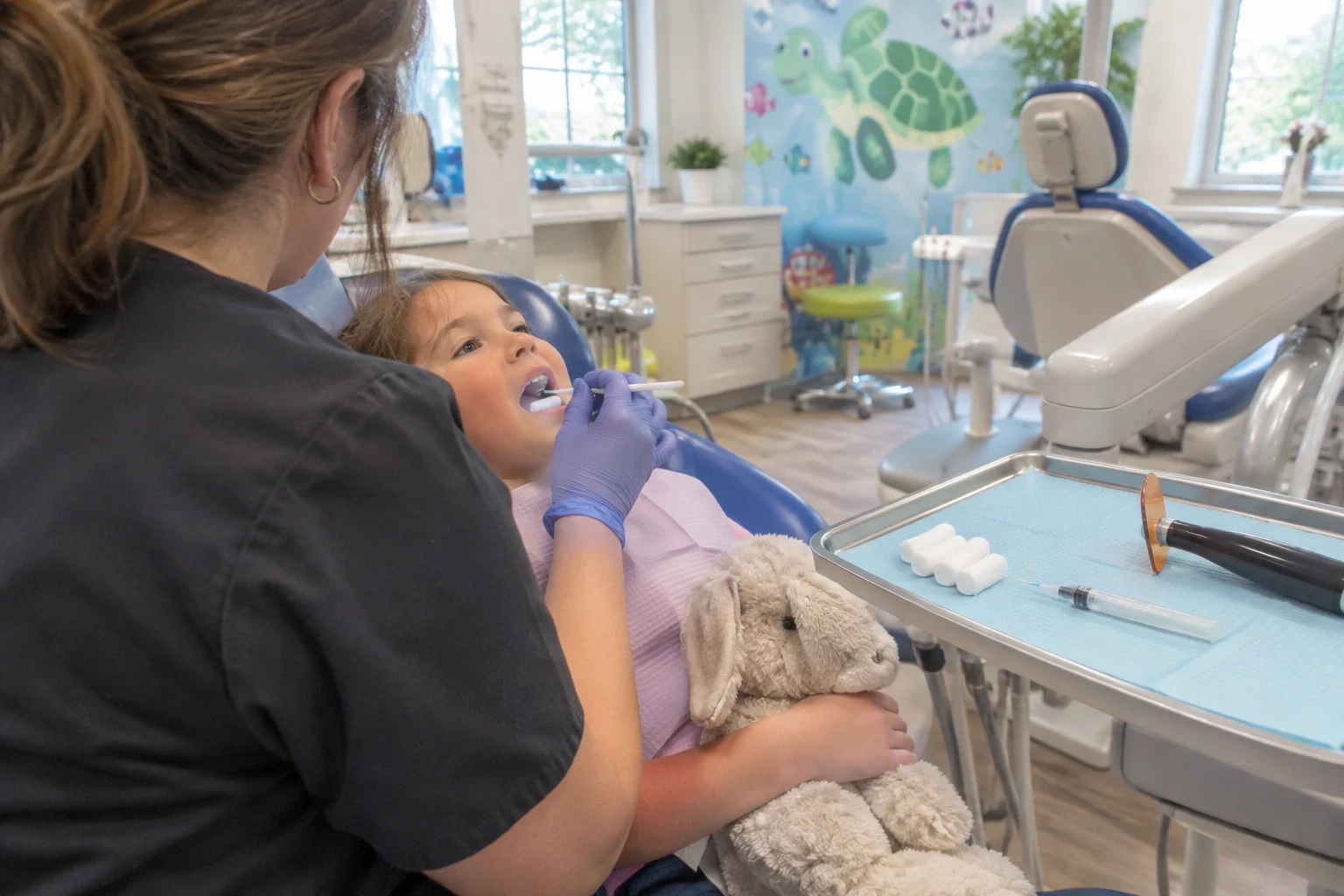
Sealants
A thin resin coating that hardens inside the chewing grooves of back teeth, where toothbrush bristles are too wide to reach and most childhood cavities start.
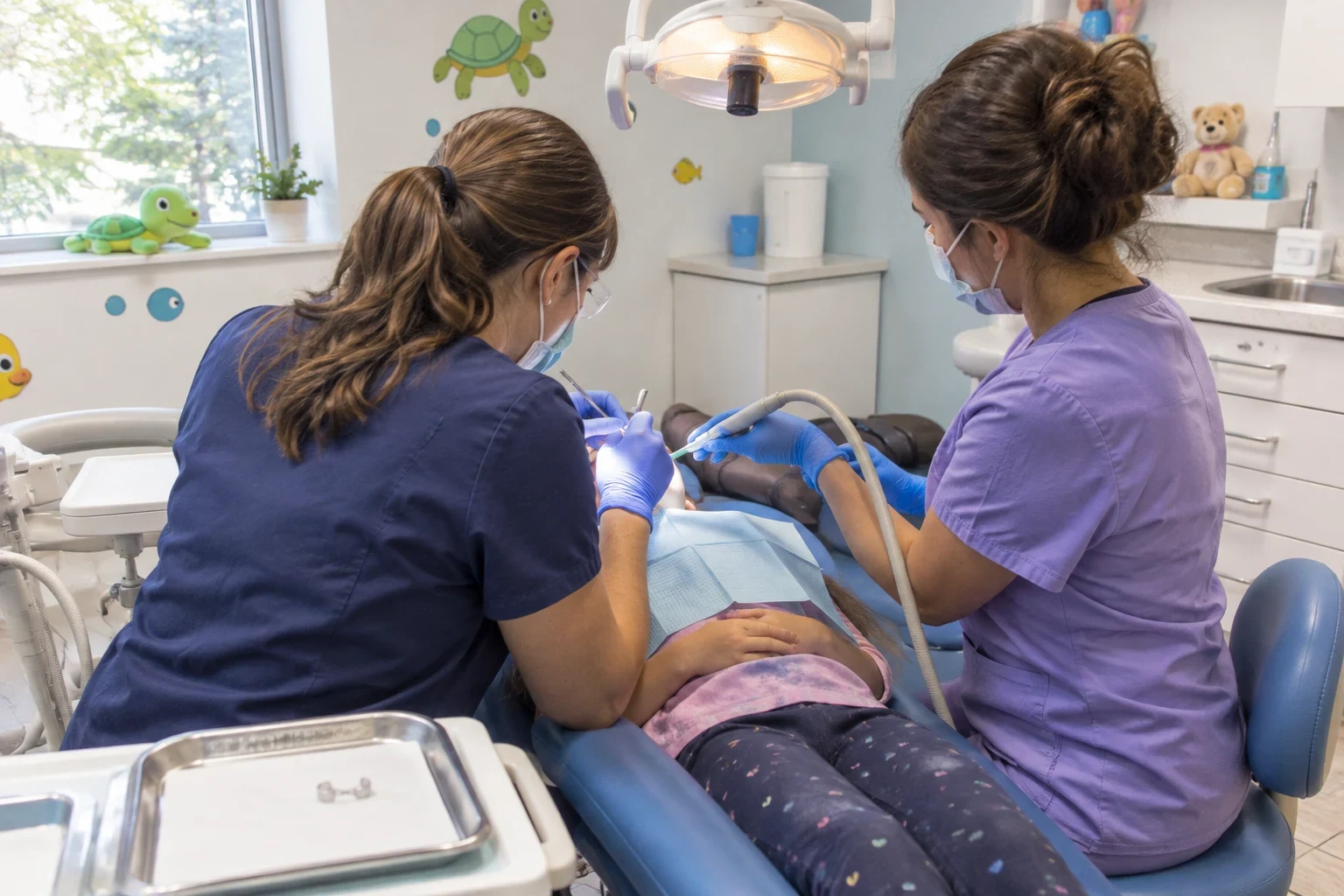
Space Maintainers
Fixed and removable appliances that hold open the gap from a lost baby tooth so the adult tooth underneath can erupt in its proper spot.
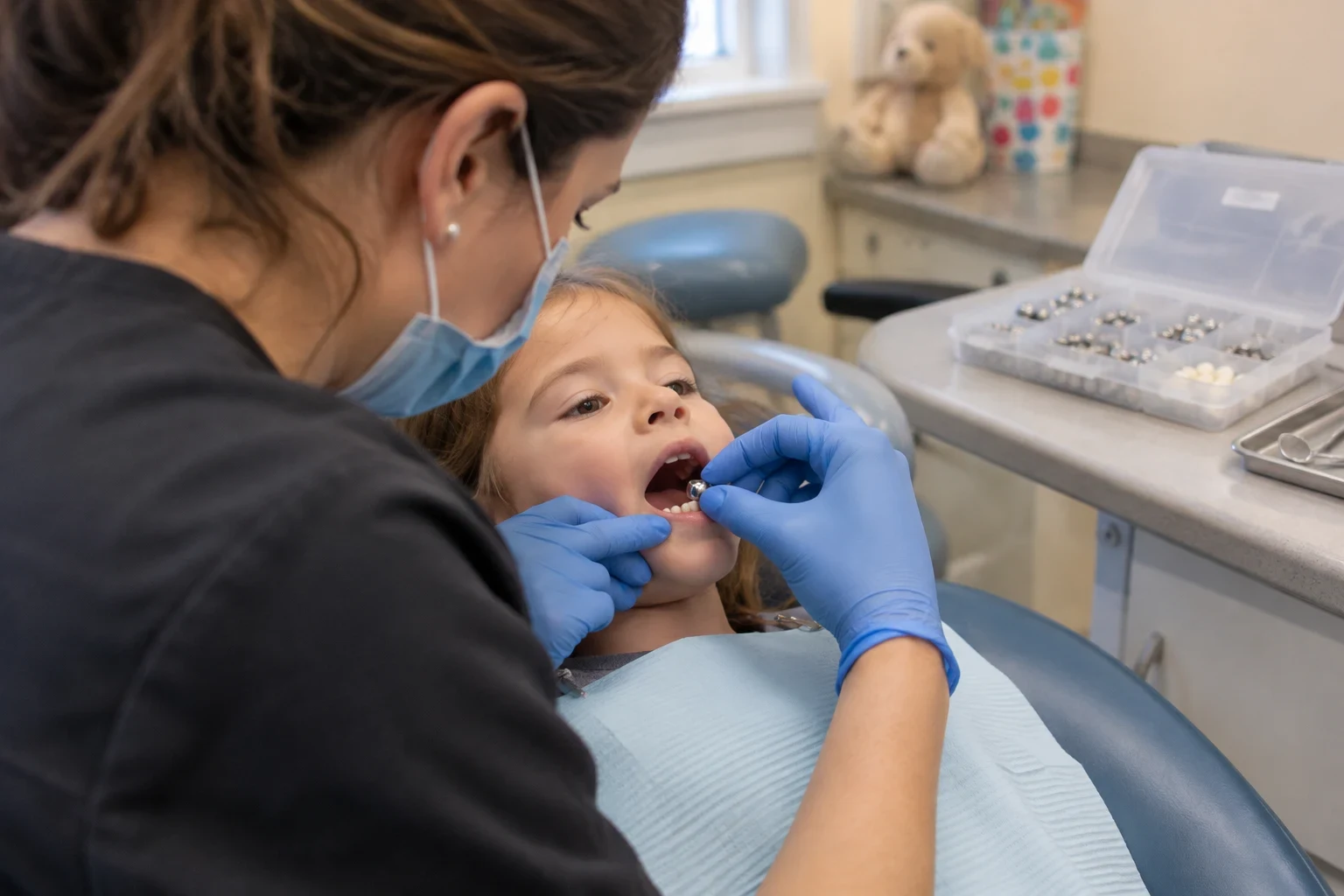
Pediatric Crowns
Stainless steel, zirconia and strip crowns that cover badly decayed or broken baby teeth so they keep working until they fall out on their own.
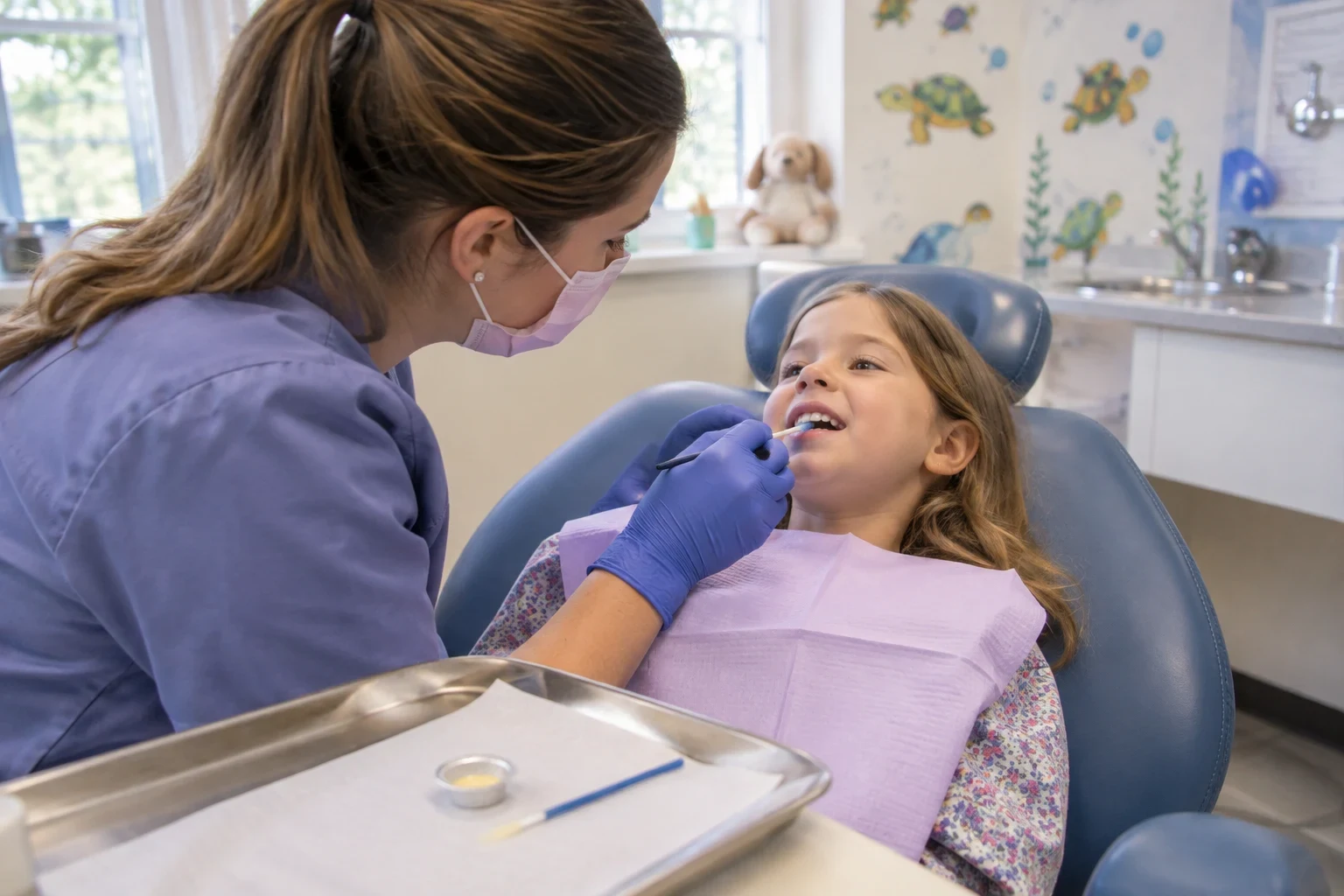
Fluoride Treatment
A thin fluoride varnish painted on at checkups that helps your child's enamel rebuild early weak spots before they turn into cavities.
Why Parents Choose a Small Team
Children settle faster when they recognize the people around the chair. We keep our team small on purpose, and that shapes how every visit runs.
The same faces from check-in to checkout
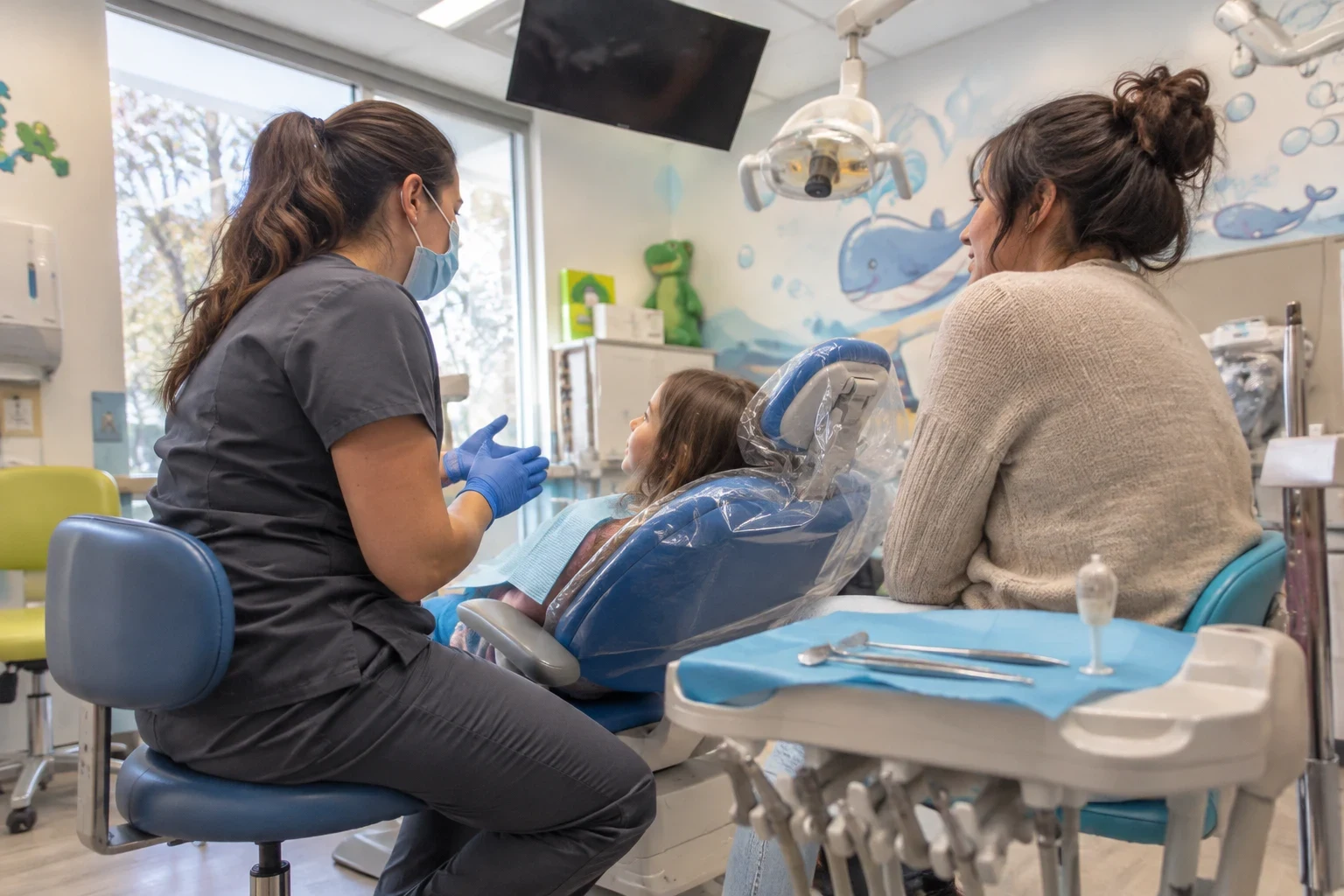
The dentist and assistant who meet your child at the first visit are the people who see them at the next cleaning and at any treatment that follows. Kids don't have to warm up to a new stranger each time.
We explain the why, not just the what
If we find a cavity, we show you where it sits, whether it has reached the dentin under the enamel, and why we recommend a filling, a crown or simply watching it. You leave knowing what is happening in your child's mouth.
Treatment paced to your child
We use tell-show-do: we name the tool, let your child see or feel it, then use it. Short appointments for young kids and breaks when needed keep the chair a calm place.
Prevention before drilling
Sealants and fluoride are cheaper and easier on a child than a filling. We look for early chalky white spots on enamel, which can often be reversed, and put most of our effort there.
Records that stay with one team
Because the same people chart each visit, gradual changes stand out, like a sealant starting to wear or a molar erupting crooked. Nothing gets lost between providers.
How a Visit Works With Us
From the first call to follow-up checkups, one small team stays with your child.
- 1
Register by phone
Call us to register your child as a new patient. We ask about age, health history, any medications and what is worrying you, then set up an appointment.
- 2
The first visit
We meet your child, count teeth, check gums, bite and jaw growth, and clean if your child is ready. For babies and toddlers this is often a knee-to-knee exam with you holding them.
- 3
A clear plan
If something needs attention, we show you what we saw and explain the options, from watching an early spot to a filling or crown. You decide with full information.
- 4
Treatment with familiar people
The same dentist and assistant handle the treatment visit. Your child already knows them, which often makes sedation unnecessary for simpler work.
- 5
Regular checkups
Most kids come back about every six months. We track new teeth, reapply fluoride and check sealants for wear.
What Shapes the Cost of Your Child's Care
Most routine visits are simple to plan for, especially with insurance. Treatment costs depend on what we find and what it takes to fix it properly. We walk you through the reasons before any work starts.
Before treatment, we go over the recommended work and the options with you so you know what to expect. You can get your questions answered by phone before the appointment.
- How far decay has gone
- A shallow cavity in the enamel needs a modest filling. Decay that reaches the dentin or the pulp can call for a crown or a pulp treatment, which takes more time and material.
- Number of teeth involved
- Treating one tooth is a short visit. Several cavities may be grouped into one or two appointments, which changes the overall plan and sometimes the need for sedation.
- Material choice
- Tooth-colored composite, stainless steel crowns and white zirconia crowns behave differently and are priced differently. We explain which holds up best for a baby molar versus a front tooth.
- Sedation level
- Laughing gas for a nervous child is a lighter option than deeper sedation for a long or complex visit. The level depends on your child's age, health and how much work is needed.
- Your insurance plan
- Plans differ on how often they cover cleanings, X-rays, sealants and fluoride. We accept most insurance plans and can tell you what a visit is likely to involve so you can check your coverage.
Families We Serve
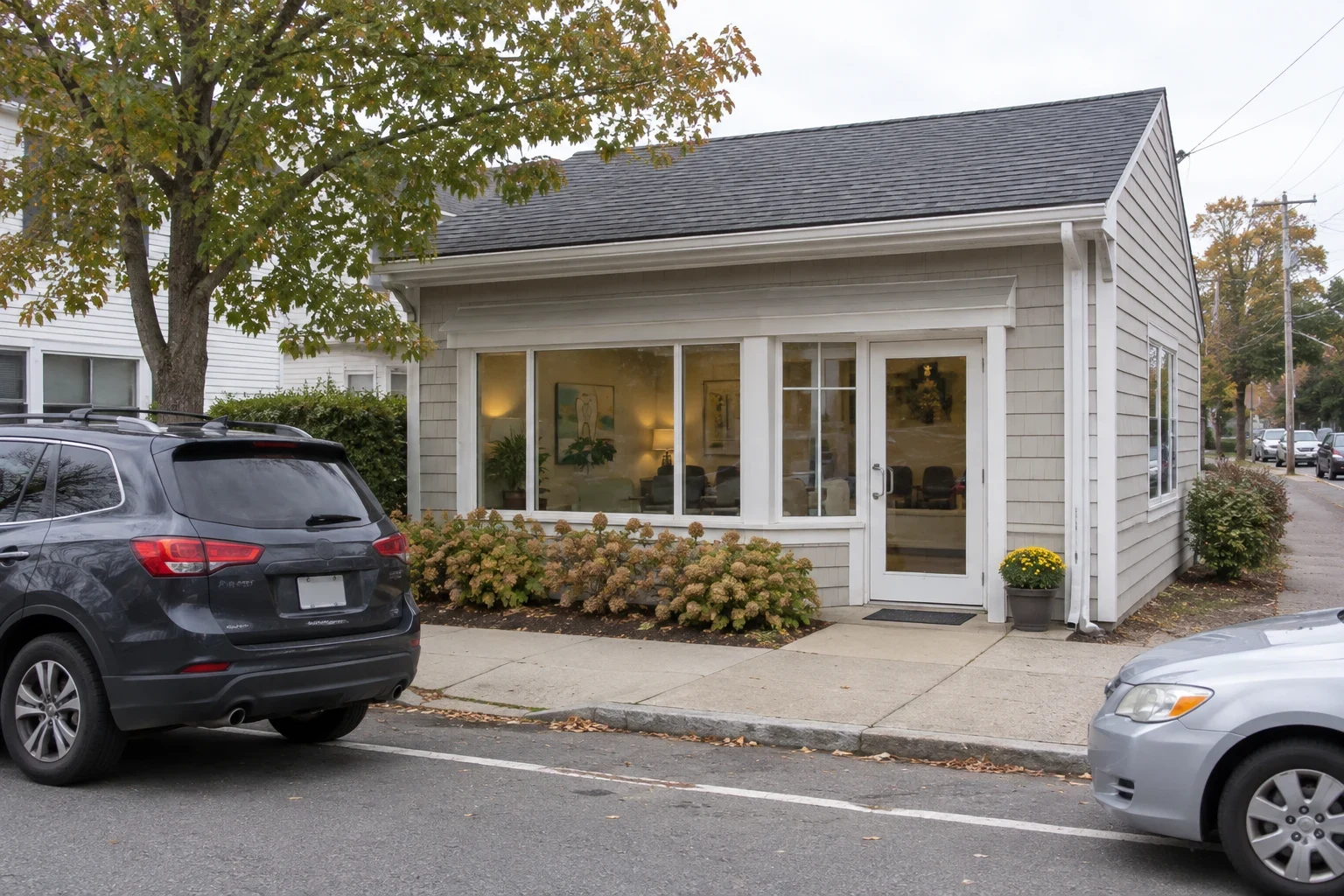
Our office is in Plympton, MA, and we see children from across the surrounding towns. Many families come from Kingston, Halifax, Carver, Pembroke and Hanson. Others drive in from Middleborough, Middleborough Center, Bridgewater, East Bridgewater and Duxbury.
- Plympton
- Kingston
- Halifax
- Bridgewater
- Middleborough
- Pembroke
- Duxbury
- East Bridgewater
- Carver
- Hanson
- Middleborough Center
All care happens at our office. Some questions and follow-ups can be handled by phone or video.
Questions Parents Ask
Something not covered here? (781) 725-5936
When should my child first see a dentist?
By the first birthday, or within six months of the first tooth coming in. Early visits let us catch soft spots in enamel and give you tips on brushing and bottle or sippy cup habits. They also make the dental office a familiar place before any treatment is ever needed.
What happens at the first visit?
We review health history, look at teeth and gums, check how the bite and jaw are developing and talk with you about cleaning and diet. Older kids usually get a cleaning and, if needed, X-rays. Toddlers are often examined while sitting on your lap.
Can I stay with my child during the appointment?
Yes. Parents are welcome in the room, and young kids usually do best with you close by. Some older kids prefer to go solo, and we follow their lead.
Why fix cavities in baby teeth if they fall out anyway?
Some baby molars stay until age 10 to 12. An untreated cavity can reach the nerve, cause pain and infection, and harm the permanent tooth forming underneath. Losing a baby tooth early can also let neighboring teeth drift, which is why we sometimes place a space maintainer.
Is sedation safe for kids?
We recommend sedation only when it helps a child get through needed treatment safely and comfortably. We review health history first, choose the lightest level that works and monitor breathing and oxygen throughout. We explain every step and the preparation instructions before the visit.
How can I pay for my child's care?
For cards, we take Visa, MasterCard and Discover. We work with most insurance plans, and families who would rather spread out the cost of treatment can use the CareCredit Patient Payment Plan. Tell us which plan you carry when you register by phone, and we will go over what a visit is likely to involve.
How often does my child need a cleaning?
Twice a year suits most kids, roughly six months apart. If your child has had cavities before, wears braces or has a health condition that affects the mouth, a shorter interval can help. We will tell you after looking at their teeth whether that applies.
Ready to Meet Your Child's Dental Team
Registration takes a few minutes by phone. We will gather your child's details and find an appointment that fits your schedule.